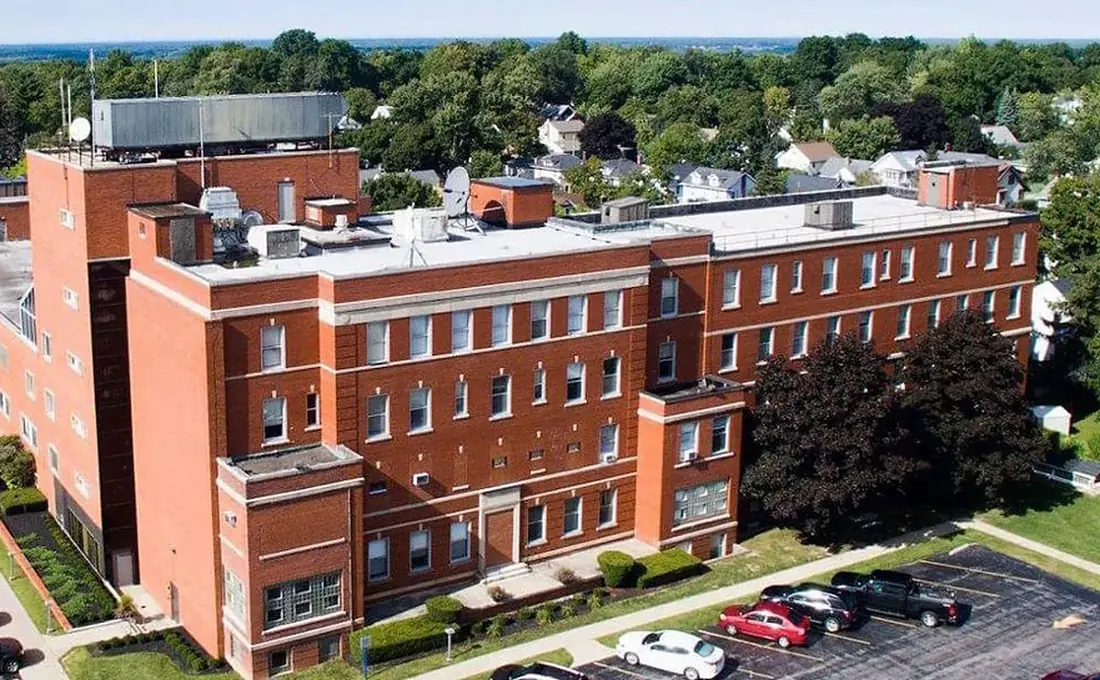
Filming in a working hospital becomes complicated when a crew can see or hear real patient information. HHS says prior written patient authorization is generally required before that access. A closed former hospital can remove the need to work around active care, but remaining records, privacy, safety and permits still need a project-specific check.
A hospital corridor can look perfect on a scout and still be difficult to film. In a working hospital, the people, conversations, charts and screens around a camera belong to a real care environment. The production cannot treat them as background scenery.
When does the privacy issue begin?
HIPAA, the Health Insurance Portability and Accountability Act, sets rules for how covered health care providers handle protected health information, often shortened to PHI. The practical issue for a shoot is access: what can the crew see or hear while setting up, recording or moving through the building?
HHS guidance says a provider generally cannot let media or film crews into areas where patient information will be accessible without prior written authorization from each person whose information would be exposed. That is broader than permission to appear in the finished film. Crew access itself can disclose information, even if the shot never makes the edit. See the HHS guidance on film crews and patient authorization.
For a location manager, that makes privacy part of the scout, access plan and crew briefing, rather than a problem left for post-production.
What counts as patient information?
A patient name on a room door, a chart left on a counter, a computer display, a wristband or a conversation about treatment can reveal health information. HHS specifically describes written, electronic, spoken, visual and audio information. A microphone can pick up something a camera never sees.
A locked-off shot of actors at a nurses' station is therefore not the whole picture. The route into the station, nearby rooms, background monitors and people passing through also need attention. In an active care area, that planning has to account for real patients and their information, not simply the frame the director wants.
Can blurring later fix unauthorized crew access?
HHS is clear that blurring a face, changing a voice or masking an identity after filming is not enough when the crew should not have had access to that patient's information in the first place. The authorization issue comes before the crew enters an area where that information is accessible.
That does not mean every movie scene in a hospital is prohibited. A scripted scene performed by actors using fictional charts is different from recording real patients receiving care. The job is to keep actual patient information out of the production environment and have the hospital's privacy team assess any access to it. An ordinary location agreement is not a substitute for a required HIPAA authorization.
What happened in the $2.2 million NY Med settlement?
In April 2016, NewYork-Presbyterian agreed to a $2.2 million settlement with the U.S. Department of Health and Human Services over potential HIPAA violations involving two patients filmed for ABC's NY Med without authorization. HHS also described a corrective action plan with two years of monitoring. The agreement was not an admission of liability. The official HHS case summary describes the settlement; ProPublica's contemporary report provides independent context.
This was a documentary filming case, not a rule banning scripted hospital dramas. Its lesson for location planning is narrower and useful: inviting a crew into a real treatment environment can expose patient information before editing begins. The official HHS settlement summary and signed agreement provide the regulatory background.
What changes at a closed former hospital?
At 521 East Avenue in Lockport, New York, the hospital has closed its doors and there are no patients receiving care. A production can consider the real hospital setting without planning its scenes around an active patient population or ongoing medical treatment.
That is the practical advantage: hospital spaces for a fictional story, without bringing a film crew into an active care environment. It is not a promise that the words "former hospital" remove every privacy obligation. Before crew access, any remaining records, labels, screens or equipment that could contain real patient information must still be identified and handled appropriately. Confirm the site-specific privacy check during preparation.
The production still needs to agree on the spaces and hours it can use, building access, safety, insurance, applicable permits and any necessary releases. Those arrangements belong in the project's scout and location agreement. A former hospital changes the care-environment problem; it does not replace normal production planning.
What should a production check before the hospital scout?
Use the scout to separate the look of the location from what the production can actually control. These are planning questions, not a certificate that a building is ready to film.
Story and access. Identify the hospital rooms, corridors and exterior approaches the script needs. Agree which spaces the crew may enter and when.
Information check. Ask who will inspect charts, labels, screens, cupboards and equipment before crew access. Use fictional names and records for dressing; do not assume a closed building has been cleared.
Sound and background. Check what microphones could capture and what can enter the background, including routes outside the intended camera position.
Safety and approvals. Confirm building access, power, emergency routes, insurance and scene-specific safety requirements. A location agreement and a government permit answer different questions. See our filming-permit guide.
How should privacy affect the location decision?
Before choosing a working hospital, establish who controls crew access, which areas can be separated from care and how real patient information will be kept inaccessible. If filming could expose that information, involve the hospital's privacy officer and the production's legal team before the shoot.
If the story needs a hospital rather than real medical care, a closed former hospital is worth scouting. Start with the rooms the script needs, then verify the access, condition and practical requirements for that production. At 521 East Avenue, we welcome that conversation.
Frequently asked questions
Does a closed hospital automatically mean HIPAA does not apply?
No. The absence of active care changes the production conditions, but it does not establish that all patient information has been removed or that every privacy obligation has ended. Confirm the site-specific facts before crew access.
Can actors perform a hospital scene without filming real patients?
Yes, a scripted scene with actors and fictional records is different from recording actual care. The production still needs to keep real patient information out of crew access and arrange the normal location, safety and permit checks.
Is blurring faces enough for a working-hospital shoot?
Not when the crew was not authorized to access patient information in the first place. HHS places the authorization question before access, not only before release of the finished footage.
Sources and further reading
The settlement is a historical example. HHS guidance, not law-firm commentary, supports the privacy explanation.
21 April 2016. Settlement amount, two patients, corrective action and monitoring.
Primary agreement, including the no-admission provision.
Provider guidance on crew access, patient information and why blurring is insufficient.
Charles Ornstein, 21 April 2016, co-published with The New York Times.
Law firm commentary, originally published July 2016. Not the primary regulatory source.
General production-planning information, not legal advice or a promise of HIPAA exemption. This article discusses a 2016 case, not a new penalty. Sources checked 20 November 2026.
← Back to articles